
Written by Ben Esplin
I have been using AI to assist my practice for almost a decade, and in the past 18 months or so the enhancement to my work has been exponential. The amazing part is how rapidly AI collaboration continues to evolve.
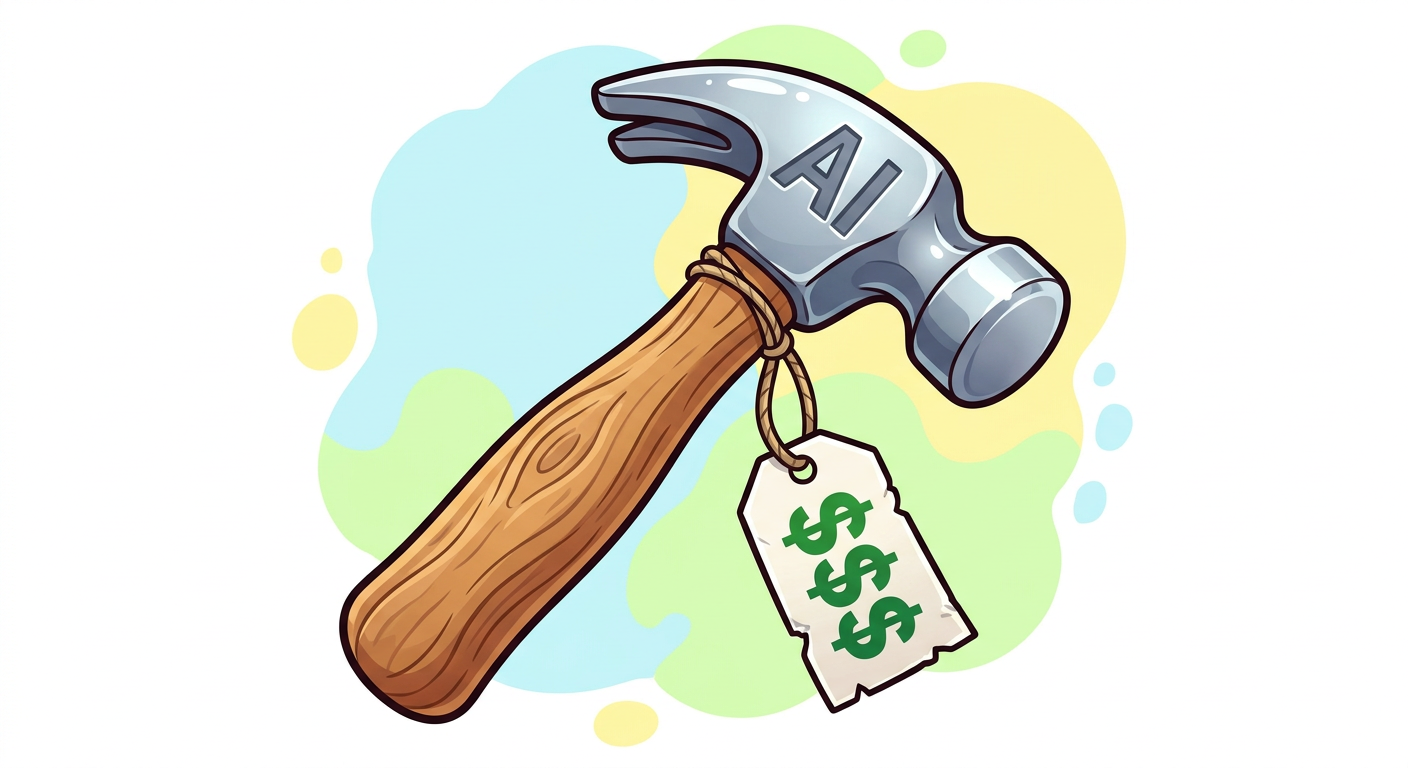
As I have written previously, the current, brute force approach to AI is ridiculously expensive in terms of resource requirements. Up to this point, the technology hype cycle has encouraged absorption of these costs by innovators and service providers in order to gain market adoption. Given the extreme cost of the technology, this never seemed sustainable.
I had been waiting for the pricing hammer to drop. SAAS licenses are one of the largest costs at my law firm, so I expect to pay for a tool this useful. But I was unprepared for how quickly they would accelerate. Tools and approaches to AI use deployed a couple of months ago without concern for cost are now being shelved because of my plummeting token balances, and the cost of replenishing them.
I am not going to stop using AI in my work; it helps too much. But I am being far more strategic now about the economic (in $) implications of AI tool choice, as well as other parameters I was already monitoring like effectiveness, efficiency (for me), etc.
For example, a client of mine hosts an AI service at www.superapp.chat that I highly recommend for at least portions of your work. At the current pricing (free), it is a steal. Given the trajectory of other AI services, I suspect this is only temporary. But I will take what I can get.
On some level, I am encouraged to see the expense of this technology making it to the end user. At the very least it incentivizes good behavior, and conscious use of language model technology. The jump in AI usage costs also highlights the pressing need we have, as a society, to find more efficient branches and implementations of the technology if it is going to reach its positive transformative potential.